
Why a fall is such a big deal
A fall can lead to a broken hip, wrist or shoulder, a head injury, or weeks of lost independence. Even a fall without injury often leaves people afraid of falling again. They move less, get weaker, and their risk of falling goes up.
Common risk factors
- Weak legs, especially trouble getting up from a chair without using your arms
- Poor balance or a shuffling walk
- A fall in the past year
- Some medications, especially ones that cause dizziness or drowsiness
- Vision problems
- Loose rugs, poor lighting and clutter at home
Balance and strength can be trained
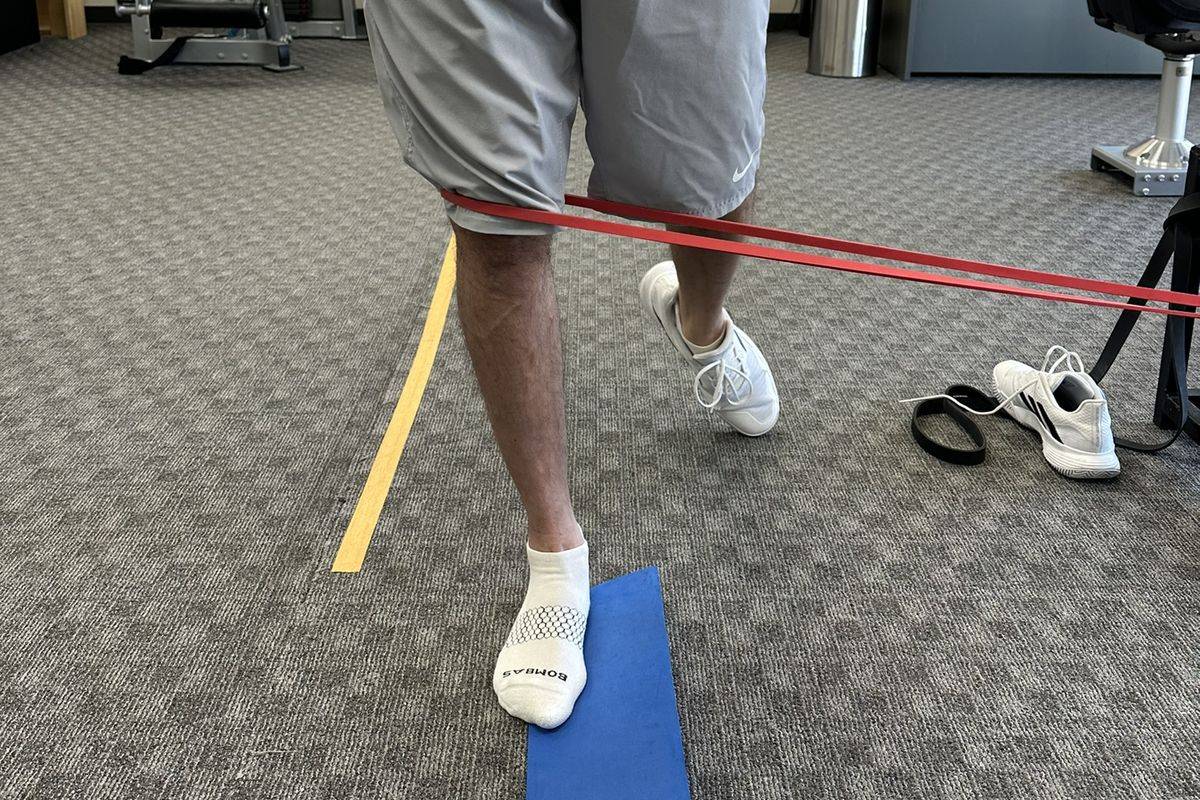
Studies show that exercise programs focused on balance and leg strength reduce falls in older adults. In physical therapy, we test your balance and strength, find your weak spots and train them, from standing on one leg to stepping over obstacles and getting up from the floor.
Simple things to do at home
- Remove loose rugs and clear walkways
- Add night lights and grab bars in the bathroom
- Wear supportive shoes indoors, not just socks
- Ask your doctor to review your medications
- Get your vision checked every year
Medicare covers it
Physical therapy for balance and fall prevention is covered by Medicare when it's medically necessary, and you don't need a prescription to start. If you or a parent has had a fall or feels unsteady, the A-Team can help.