
Volleyball
Hundreds of jumps, landings and swings a week add up. Whether you play club, high school or beach, we get you back on the court and build the strength to handle the load.
Reviewed by Dr. Stephen Clark, PT, DPT, OCS, board-certified orthopedic clinical specialist
Injuries we see in volleyball players
Ankle sprains, jumper's knee, runner's knee, shoulder pain and impingement, low back pain, and finger injuries.
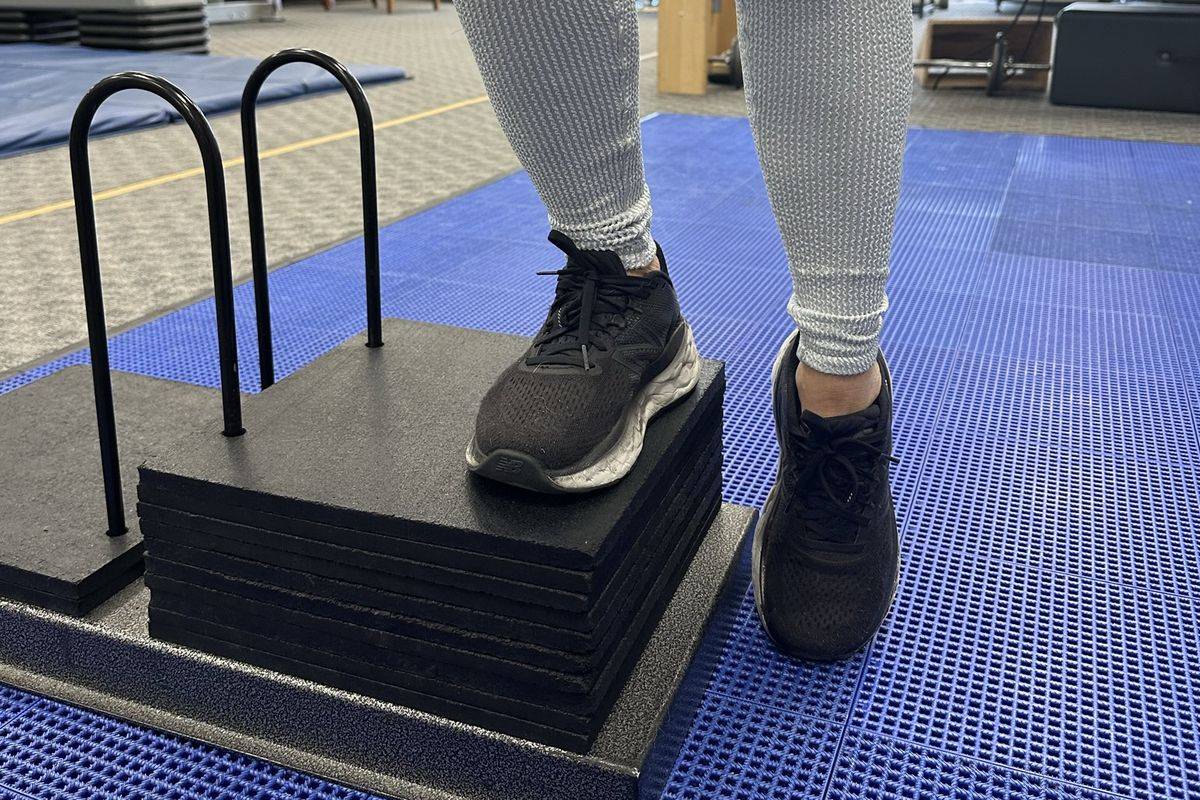
“Most volleyball injuries come from landing. Learning to land softly and with control protects the ankles and knees.”
How we help with ARC
Stage I, Calm it down
treat the injury and adjust your jumping and hitting load.
Stage II, Build it back
leg and hip strength, landing mechanics, balance, and shoulder strength for hitting and serving.
Stage III, Get back to your game
jumping, blocking and hitting drills, with hop and strength testing before you return.
What the research says
Balance training helps prevent repeat ankle sprains. In a trial of more than 1,100 volleyball players, a balance board program lowered the rate of ankle sprains, mainly in players who had sprained an ankle before. (Verhagen et al., American Journal of Sports Medicine, 2004)
Questions
Do you work with club players?
Yes, and we can work around your tournament schedule.
Is jumper's knee treatable?
Yes. The right loading program is the main treatment.
Related
Your first visit
After you book, we text (and email) you a secure preregistration link to finish from home. Bring comfortable clothes you can move in and plan on about an hour. We measure where you're starting, explain what's going on, and start treatment the same day.
Insurance and new patient details