
Soccer
Cutting, sprinting, landing and contact make soccer one of the hardest sports on knees and ankles. From club players to weekend leagues, we get you back on the field and help keep you there.
Reviewed by Dr. Stephen Clark, PT, DPT, OCS, board-certified orthopedic clinical specialist
Injuries we see in soccer players
ACL and MCL injuries, meniscus tears, ankle sprains, hamstring and groin strains, hip pain, knee pain in growing athletes, and concussion-related neck pain.
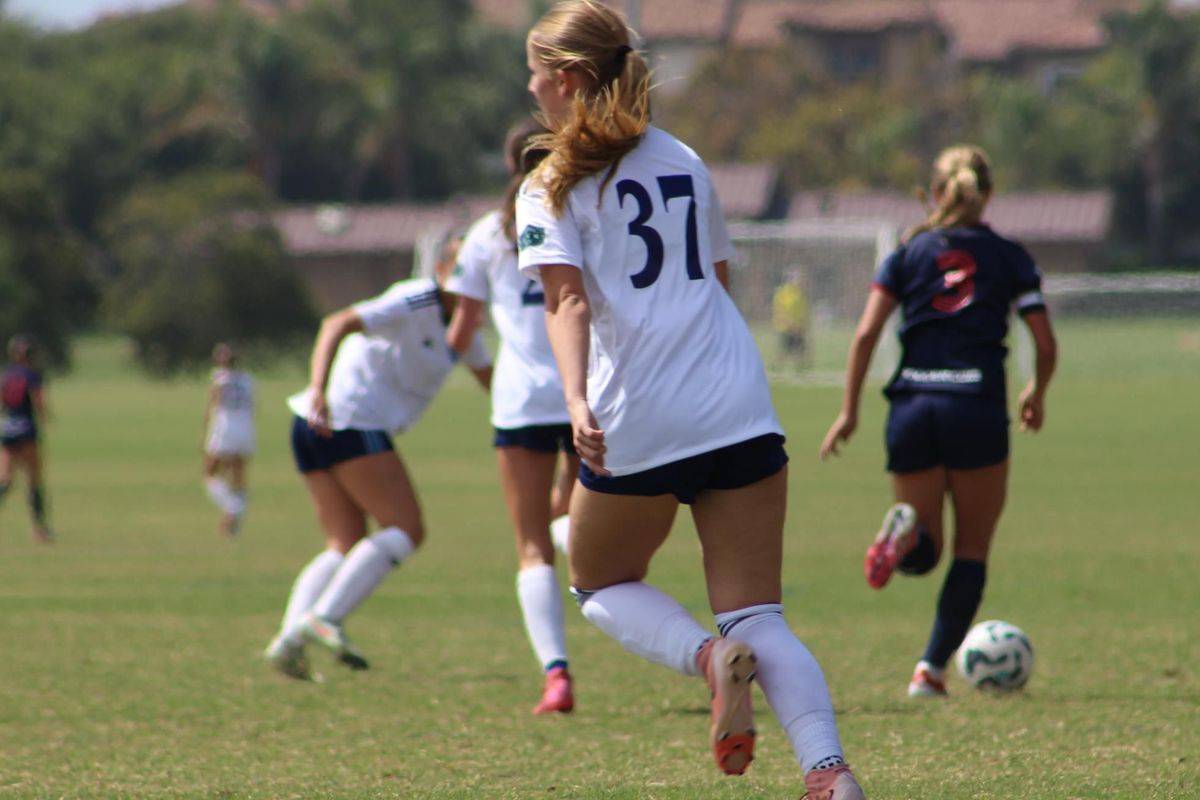
“Most soccer injuries happen when a player lands, cuts or stops without control. We train that control, so the knee and ankle are protected.”
How we help with ARC
Stage I, Calm it down
treat the injury and keep the rest of the body fit.
Stage II, Build it back
leg strength, landing and cutting mechanics, and single-leg control.
Stage III, Get back to your game
sprinting, cutting and ball drills, with strength and hop testing before you return.
What the research says
A good warm-up prevents injuries. In a trial of nearly 1,900 girls ages 13 to 17, teams that used a structured injury prevention warm-up had about a third fewer injuries and about 45% fewer severe injuries. (Soligard et al., BMJ, 2008)
Questions
Do you work with youth players?
Yes, and we keep parents and coaches in the loop with your permission.
Related
Your first visit
After you book, we text (and email) you a secure preregistration link to finish from home. Bring comfortable clothes you can move in and plan on about an hour. We measure where you're starting, explain what's going on, and start treatment the same day.
Insurance and new patient details