
Skiing and Snowboarding
One bad fall or twisted knee can end your season. We get you back on the mountain after an injury, and help you get strong before the season so you're less likely to get hurt.
Reviewed by Dr. Stephen Clark, PT, DPT, OCS, board-certified orthopedic clinical specialist
Injuries we see in skiers and snowboarders
ACL and MCL tears, meniscus tears, shoulder dislocations and rotator cuff injuries, wrist and collarbone fractures, thumb sprains, and low back pain.
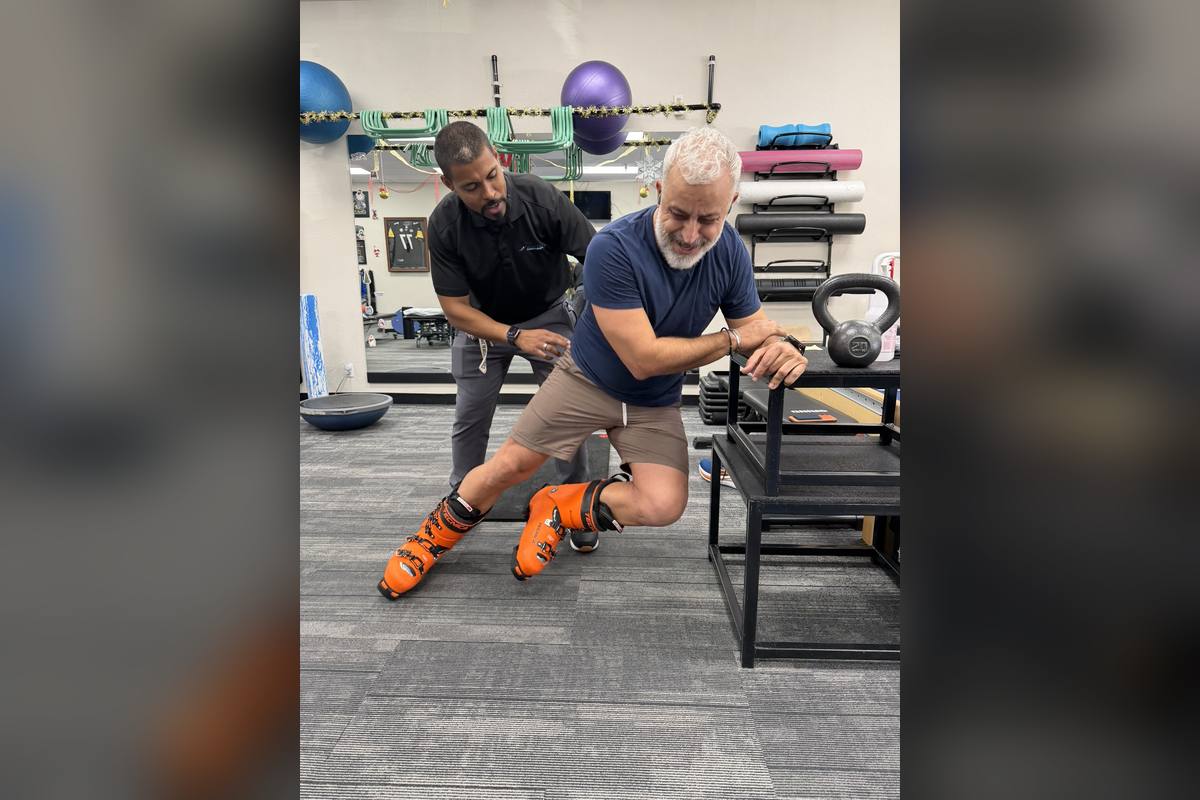
“Strong legs and good balance before the season are the best way to protect your knees on the mountain.”
How we help with ARC
Stage I, Calm it down
treat the injury, control swelling, and get you moving early.
Stage II, Build it back
leg and hip strength, balance, and core control.
Stage III, Get back to your game
skiing-specific strength, landing and endurance work, with testing before you head back to the mountain.
What the research says
Knowing how knee injuries happen helps prevent them. In a study at ski areas, ski patrollers and instructors who trained to recognize and avoid high-risk falls had 62% fewer serious knee sprains, while those without the training saw no drop. (Ettlinger et al., American Journal of Sports Medicine, 1995)
Questions
Can I ski after ACL surgery?
Yes, most people do. We'll test your strength and control before you go back.
Related
Your first visit
After you book, we text (and email) you a secure preregistration link to finish from home. Bring comfortable clothes you can move in and plan on about an hour. We measure where you're starting, explain what's going on, and start treatment the same day.
Insurance and new patient details