
Dance
Dancers ask their bodies for extreme range, balance and power, often for hours a day. We understand the demands of class, rehearsal and performance, and we get you back to dancing without losing your technique.
Reviewed by Dr. Stephen Clark, PT, DPT, OCS, board-certified orthopedic clinical specialist
Injuries we see in dancers
Hip pain, snapping hip and labral tears, ankle sprains, Achilles pain, foot and big toe pain, stress fractures, knee pain, and low back pain.
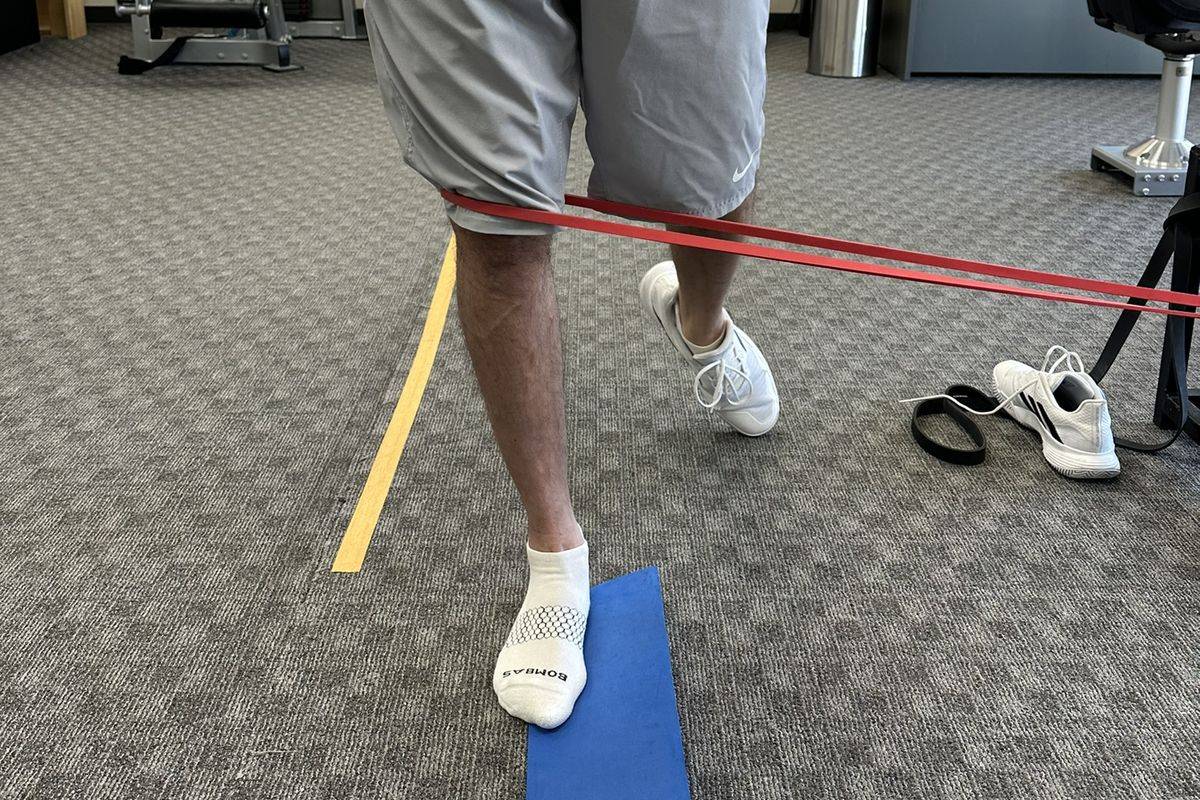
“Dancers are often flexible enough. What protects them is strength and control at the end of that range.”
How we help with ARC
Stage I, Calm it down
treat the injury and change what you do in class so you can keep dancing if it's safe.
Stage II, Build it back
hip, core, foot and ankle strength, with control through your full range.
Stage III, Get back to your game
jumps, turns, pointe work and a return to full rehearsals and performance.
What the research says
Getting care early keeps dancers dancing. After a professional dance company added an injury management program with early treatment, days lost to injury dropped by about 60%. (Bronner et al., American Journal of Sports Medicine, 2003)
Questions
Do you work with young dancers?
Yes, and we keep parents and teachers in the loop with your permission.
Do I have to stop dancing?
Often not completely. We'll help you change what you do in class while you heal.
Related
Your first visit
After you book, we text (and email) you a secure preregistration link to finish from home. Bring comfortable clothes you can move in and plan on about an hour. We measure where you're starting, explain what's going on, and start treatment the same day.
Insurance and new patient details